Arkham Horror LCG: Beginner Deckbuilding Mistakes Playing Solo
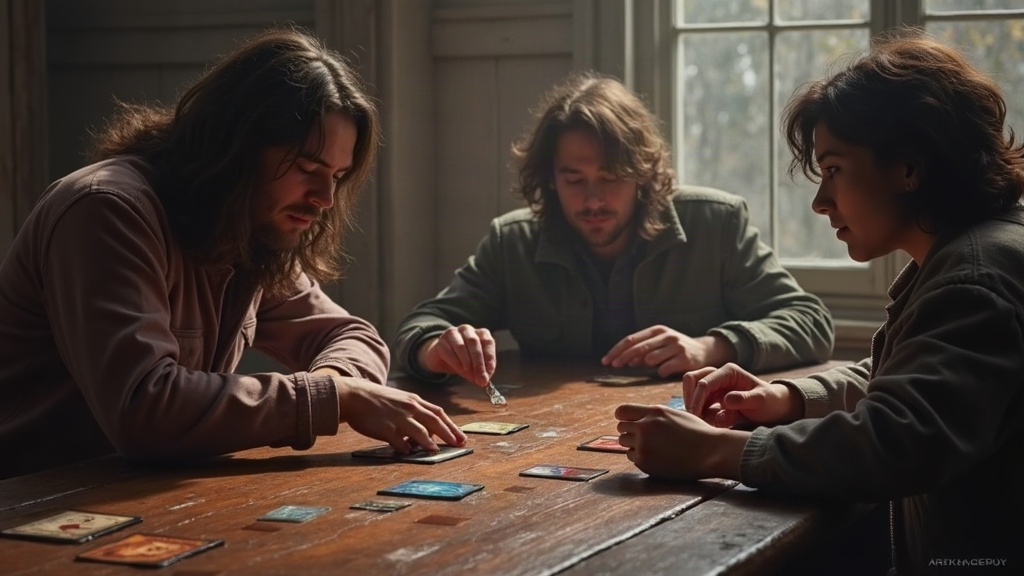
Playing Arkham Horror LCG as a true solo investigator, just one deck, nobody else at the table to cover for you, exposes deckbuilding weaknesses almost instantly. The usual beginner mistakes: building a deck that’s too narrow, ignoring economy and clue-gathering, skipping healing and resource cards, or just copying a multiplayer decklist that quietly assumes a partner will patch your blind spots. Let’s go through what actually needs fixing.
Why Solo Play Punishes Bad Deckbuilding Harder
In a four-player game, a weak deck gets a pass. Somebody else can fight for you, heal you, or grab the clue you missed. Solo, there’s no backup. You handle clue-gathering, combat, evasion, resources, and horror/damage mitigation, sometimes all in a single turn. A deck built to do “one thing really well” tends to fall apart the moment a scenario asks for flexibility instead of a combo.
Mistake #1: Building a One-Trick Deck
A lot of new players build around a single combo (dumping everything into one weapon, say, or running a pure “clue rush” deck) and then forget that the agenda and act deck doesn’t care about their plan. Solo investigators still face:
- Combat encounters even in scenarios that look investigation-heavy on paper
- Mythos phase damage and horror that piles up with nobody to absorb half of it
- Doom clocks that punish slow, over-specialized strategies
Fix: Keep at least a bare-minimum toolkit for combat, evasion, and clue-gathering, even if your class leans hard into one lane. A Rogue built entirely around fighting will still need some way to dodge an enemy or pick up a clue when the scenario forces the issue.
Mistake #2: Ignoring Economy Cards
New decks tend to get stuffed with expensive, flashy assets and zero plan for paying for them. In multiplayer, allies effectively share resources through tempo (one player tanks a turn so another can develop). Solo, every resource comes out of your own hand, every single turn.
- Skip the 4-5 cost assets early on if you’ve got no ramp (no Emergency Cache, no Scavenging, nothing like that)
- Run at least 2-3 resource or card-draw smoothing cards
- Don’t load up on two expensive “signature-tier” assets in the same deck if you can’t realistically afford both before turn 5 or 6
Mistake #3: No Healing or Sanity Management
Solo investigators eat every point of damage and horror a scenario throws. Beginners skip healing cards constantly, because honestly, a healing event just isn’t as fun to build around as a big attack.
- One reliable source of horror healing (ally, event, or skill-based) is close to mandatory
- Physical healing matters just as much, especially against encounter decks that hit hard (Carcosa and Edge of the Earth are brutal examples)
- Repeated willpower or agility tests from treacheries will chew through an unprepared solo deck fast
Mistake #4: Too Few Clue Tools
Clues move the acts forward. In multiplayer you can split that job across the table. Solo, if your deck has no reliable way to gather clues (skill cards, assets with investigate boosts, Seeker-style effects), you’ll stall out on acts while doom quietly ticks up in the background.
- Run investigate-boost cards even if you’re not playing Seeker
- Watch your shroud-breaking tools closely. A deck with zero intellect boosts will crawl against high-shroud locations (shroud 4+ is where this really bites)
Mistake #5: Copying Multiplayer Lists Without Adjusting
A decklist built for a 4-player table quietly assumes:
- Someone else is handling combat or clues while you focus
- Enemies get spread across multiple investigators instead of all landing on you
- Doom and damage get diluted across the group
None of that holds up solo. Always rework borrowed lists with self-sufficiency in mind. Reinforce your deck’s weakest category instead of doubling down on whatever it’s already good at.
Mistake #6: Underestimating Enemy Management
Solo, you face every enemy that spawns, with nobody to intercept the ones heading your way. A common beginner trap is the “glass cannon” build: huge damage output, zero evasion, zero defensive tech (no health/sanity soak, no parley option).
- Keep at least one evasion tool or something that lets you ignore an enemy outright
- Don’t ignore trauma prevention at the margins either. One bad fight can end a campaign outright, not just a scenario
Quick Solo Deckbuilding Checklist
- ✅ Minimal coverage in combat, evasion, and investigation
- ✅ 2-3 economy/resource cards
- ✅ One reliable healing source (sanity or health)
- ✅ Redundant clue-gathering tools
- ✅ Don’t mirror a 4-player list card for card
Conclusion
True solo Arkham Horror LCG rewards balanced, self-sufficient decks far more than it rewards flashy combos. Avoid over-specializing, respect your economy curve, and don’t skip healing or clue tools just because they’re less exciting than your signature play. A well-rounded solo deck gets through scenarios that a narrow, multiplayer-style deck simply can’t survive alone.