Best Asymmetric Board Games for a Competitive Thanksgiving Weekend
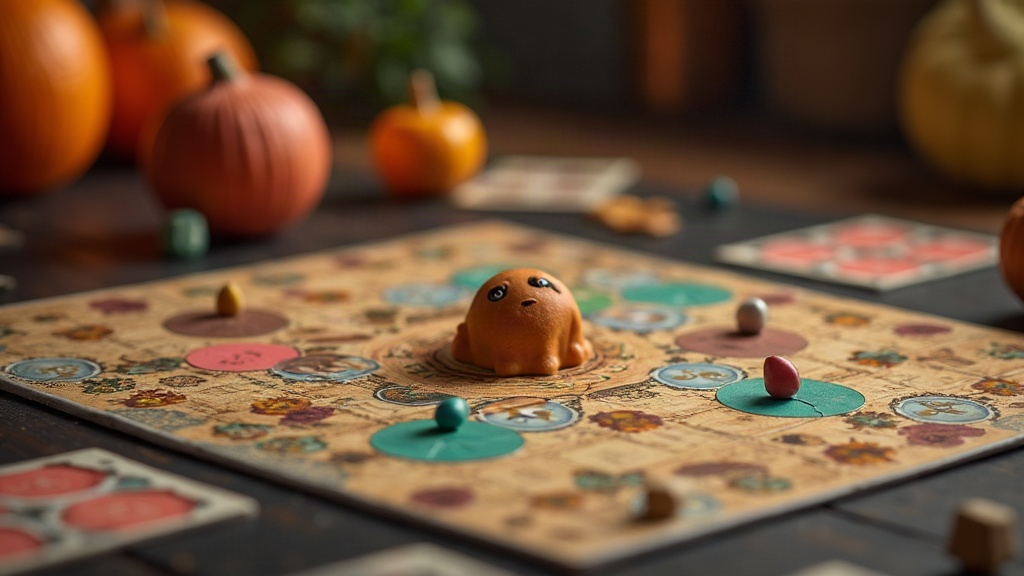
If your Thanksgiving weekend always ends in a shouting match over Monopoly, the fix isn’t fewer cousins. It’s better games. Asymmetric board games, where players start with different abilities, resources, or win conditions, are the secret weapon for groups with wildly uneven skill levels and egos to match. Below are the picks that actually keep everyone engaged, competitive, and (mostly) still speaking to each other by dessert.
Why Asymmetric Games Work Better Than “Fair” Games for Competitive Families
In a symmetric game like chess or standard Risk, the most experienced player almost always wins. That gets old fast for everyone else at the table. Asymmetric games fix this by giving people genuinely different routes to victory. So:
- A newer player with a sneaky faction can beat a veteran strategist.
- Trash talk gets more interesting. “Your power is overrated” hits different than “I just rolled better.”
- Replayability stays high because no two games play out the same way.
- Skill gaps get absorbed by built-in faction balance, not awkward house-rule handicaps.
That matters a lot when your table ranges from a cousin scrolling TikTok under the table to the one who shows up with a laminated strategy sheet.
Top Picks for Thanksgiving Weekend
1. Root
A woodland war game where each faction (Marquise de Cat, Eyrie Dynasties, Woodland Alliance, Vagabond) plays by an entirely different rulebook. The art looks like a children’s picture book. The gameplay is ruthless. Perfect for the cousin who swears “I’m not even trying” right before steamrolling the table.
- Players: 2-4 (expansions add more)
- Playtime: 60-90 minutes
- Best for: Groups with at least one rules-lawyer who actually enjoys teaching
2. Vast: The Crystal Caverns
Five players, five completely different games running at once. You could be playing a Knight, a Goblin tribe, a Cave, a Dragon, or even the Spiders crawling through the walls. Sounds like chaos on paper, but it works surprisingly well for defusing a grudge match between two specific cousins, since everyone’s heads-down in their own puzzle instead of staring each other down.
- Players: 1-5
- Playtime: 45-90 minutes
- Best for: De-escalating a two-person rivalry by throwing in weird wildcards
3. Inis
A Celtic mythology game built around storytelling and diplomacy as much as raw aggression. Combat is optional here, which is a lifesaver when Uncle Dave gets a little too fired up after his second slice of pecan pie.
- Players: 2-4
- Playtime: 60-90 minutes
- Best for: Mixed groups where not everyone showed up looking for a fight
4. Scotland Yard (or Fury of Dracula for a spookier weekend)
One player is the hidden fugitive, everyone else hunts them with scraps of information. You can teach it in five minutes flat, which matters a lot when you’ve only got a twenty-minute window between the turkey and the pie.
- Players: 3-6
- Playtime: 45 minutes
- Best for: Quick rounds squeezed between other things
5. Spirit Island
Cooperative but still asymmetric. Each player controls a different Spirit with its own unique powers, and together you’re fighting off invading colonists. It’s the perfect reset after a cutthroat match, since it points all that competitive energy at a shared enemy instead of at each other.
- Players: 1-4
- Playtime: 90-120 minutes
- Best for: Cooling tempers down while still scratching the strategy itch
How to Pick the Right Game for Your Table
Ask yourself these before the weekend even starts:
- How many players, realistically? Count who’ll actually sit still through an entire game. Don’t plan for eight when three of them always wander off after twenty minutes.
- How competitive is “competitive”? If somebody once flipped the table over Uno, skip direct-conflict games like Root and go with Vast or Spirit Island instead.
- How much time do you actually have? Scotland Yard fits neatly into a 45-minute gap. Root and Inis need a real chunk of the evening, so plan accordingly.
- Who’s teaching? Asymmetric games have more moving parts rules-wise. Pick one person to read the rulebook ahead of time so setup doesn’t eat your whole evening.
Quick Setup Tips
- Print or photocopy faction reference cards if your copy only comes with one set. New players lean on these constantly, and passing around a single card gets old fast.
- Run a zero-stakes practice round first, so the competitive cousins don’t melt down over a rookie mistake made mid-learning.
- Rotate factions every game night so nobody gets stuck being “the weak faction” three Thanksgivings in a row.
Conclusion
Asymmetric board games turn Thanksgiving into a battleground where strategy, not just luck or experience, decides who wins. That’s exactly what you want when the cousins take game night a little too seriously. Start with Root or Vast for pure competitive energy, keep Scotland Yard in your back pocket for quick rounds, and have Spirit Island ready in case things get heated and the table needs a shared-goal reset. Match the game to your table’s temperament, and you’ll walk away with a weekend people remember for the games, not the feuds.